
How Long Does Oxycodone Stay in Your System?
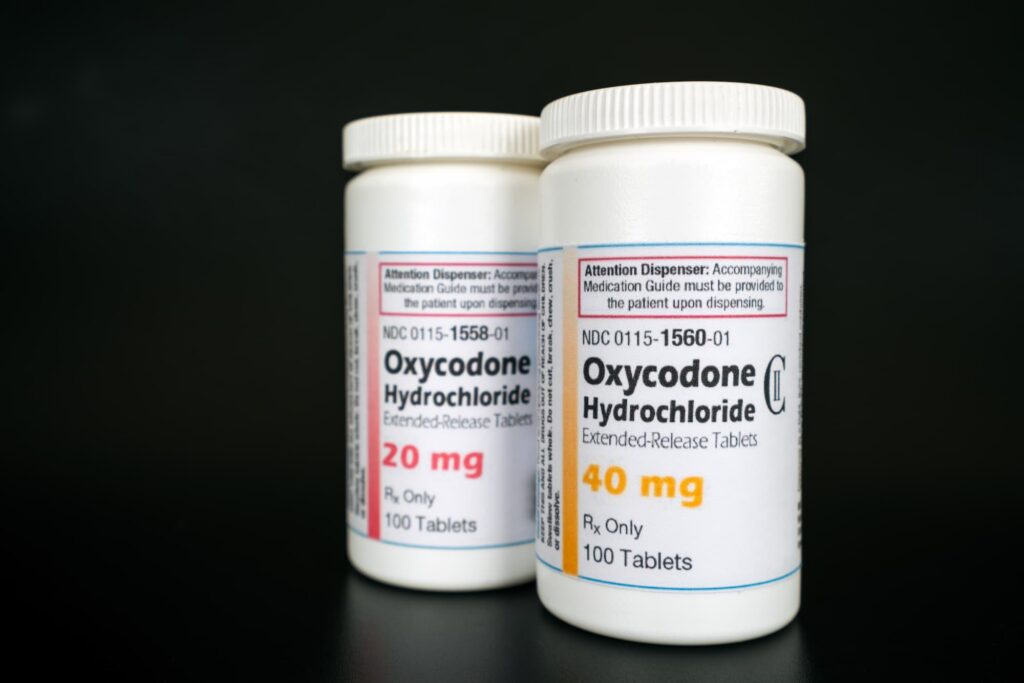
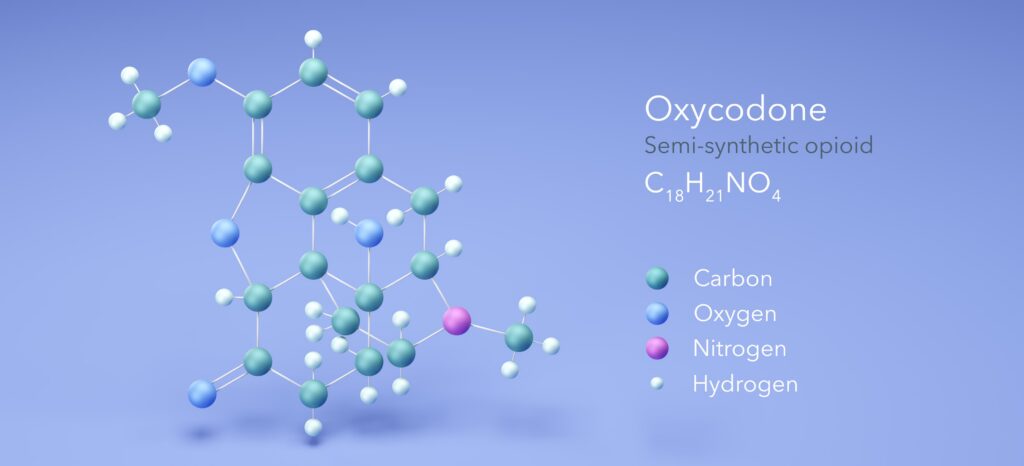
Oxycodone is a powerful semi‑synthetic opioid, and while it’s effective for pain, it also carries a high risk for dependence and addiction. It works by attaching to opioid receptors in the brain, easing pain and creating a wave of calm or euphoria. That “rush” is part of what makes oxycodone so addictive. As the effects fade, many people take more to feel good again — and that cycle can quickly lead to tolerance, withdrawal, and opioid use disorder (OUD).
If you’re wondering how long oxycodone stays in your system, you’re not alone. People ask this during detox, before a drug test, or simply because they’re worried about their health or a loved one’s safety. Whatever brought you here, you deserve clear, judgment‑free information.
If you or someone you care about is struggling with oxycodone or other opioids, Serenity Grove in Georgia offers compassionate, evidence‑based treatment. Call (706) 389-5157) or verify your insurance now.
How Long Does Oxycodone Last?
Oxycodone is prescribed for moderate to severe pain and appears in medications like OxyContin, Percodan, Roxicet, and others. These medications all contain oxycodone, but some combine it with other ingredients:
- Percodan: oxycodone + aspirin
- Roxicet: oxycodone + acetaminophen
- OxyContin: extended‑release oxycodone
This article focuses on oxycodone itself, especially the forms found in medications like OxyContin.
Immediate‑Release vs. Extended‑Release Oxycodone Length of Action
• Immediate‑release (IR) oxycodone starts working in 10–30 minutes.
• Extended‑release (ER) oxycodone usually begins working within about an hour and is designed to last longer.
The “half‑life” — how long it takes your body to eliminate half the drug — helps determine how long oxycodone stays active:
• IR oxycodone half‑life: ~3.2 hours
• ER oxycodone half‑life: ~4.5 hours
But these numbers aren’t the same for everyone. Your metabolism, age, liver health, weight, and even hydration can change how long oxycodone affects you
How Long Does Oxycodone Stay In Your System?
Drug tests don’t all work the same way. Depending on the type of test, oxycodone may be detectable for a short period — or for months.
General oxycodone detection windows:
- Blood test: up to 24 hours
- Urine test: up to 4 days
- Saliva test: up to 4 days
- Hair follicle test: up to 90 days
- These are averages. Your results may vary based on:
- How long and how often you’ve used oxycodone
- Your age, weight, and metabolism
- Kidney and liver function
- Hydration and physical activity
- Whether you’re taking other medications
Long‑term or heavy use can cause oxycodone to build up in the body, which may extend detection times.
These time frames are important for understanding how long the drug can affect you, and they are also crucial for anyone undergoing drug testing. These durations are average estimates and can vary based on several factors, including a person’s age, gender, kidney and liver health, and overall metabolism. Additionally, the duration of oxycodone use can affect detection times; prolonged use can lead to accumulation in the body, potentially extending the detection window beyond the typical durations listed above.
Factors That Affect How Long Oxycodone Stays in Your System
Everyone processes oxycodone a little differently, which is why two people can take the same dose but test positive for different lengths of time. Several biological and lifestyle factors influence how quickly (or slowly) your body breaks down and eliminates the drug.
1. Metabolism
People with faster metabolisms tend to clear oxycodone more quickly. Age, genetics, thyroid function, and overall health all play a role in how efficiently your body processes medications.
2. Liver and Kidney Function
Because oxycodone is metabolized in the liver and excreted through the kidneys, any impairment in these organs can extend the detection window. This is especially important for people with chronic health conditions.
3. Body Weight and Body Fat Percentage
Oxycodone is fat‑soluble, meaning it can linger longer in people with higher body fat percentages. Body composition can influence both the intensity of the drug’s effects and how long it remains detectable.
4. Frequency and Duration of Use
Someone who uses oxycodone regularly may have the drug built up in their system, causing it to stay detectable longer than it would after a single dose. Long‑term use also increases the risk of dependence and withdrawal.
5. Hydration and Activity Level
Staying hydrated and physically active can support your body’s natural detox processes, though they won’t dramatically speed up elimination. Dehydration, on the other hand, can slow things down.
6. Type of Oxycodone Taken
Immediate‑release and extended‑release formulations break down at different rates. Extended‑release versions (like OxyContin®) stay active longer and may remain detectable for a longer period.
7. Other Substances or Medications
Alcohol, benzodiazepines, and certain prescription medications can interfere with how your body metabolizes oxycodone. This can increase risks and extend detection times.
Can You Clear Oxycodone From Your Body Faster?
There’s no magic trick to flush oxycodone out of your system. Your body needs time to metabolize and eliminate it. The safest, most comfortable way to do this is under medical supervision in detox.
That said, a few other things may support your natural detox process:
- Staying hydrated
- Eating nutritious foods
- Light physical activity, if safe for you
- Avoiding additional substances, including alcohol
But none of these will dramatically speed things up — and trying extreme detox methods can be dangerous.
As oxycodone leaves your system, withdrawal symptoms can appear.
These may include:
- Anxiety or restlessness
- Nausea or vomiting
- Stomach cramps
- Sweating or chills
- Muscle or joint pain
- Trouble sleeping
These symptoms can be intense, which is why many people return to using just to feel “normal.” This is how dependence develops — and why medical detox is the safest way to stop using oxycodone.
As the effects of oxycodone wear off, you could start to feel withdrawal symptoms like vomiting, anxiety, stomach cramps, and joint pain. Unfortunately, to get relief from these symptoms, some people end up taking more oxycodone, which can spiral into dependence. It’s important to discuss any detox methods or concerns with healthcare professionals to ensure safety and effectiveness, especially in the context of recovery.
Overcome Oxycodone Dependence at Serenity Grove
If you or someone you love is struggling with oxycodone use, you don’t have to face it alone. Serenity Grove offers medical detox, residential treatment, outpatient programs, family support, and long‑term recovery planning — all in a safe, supportive environment.
Recovery is possible, and it can start today.
Call (706) 389-5157), or verify your insurance to take the next step toward healing.