
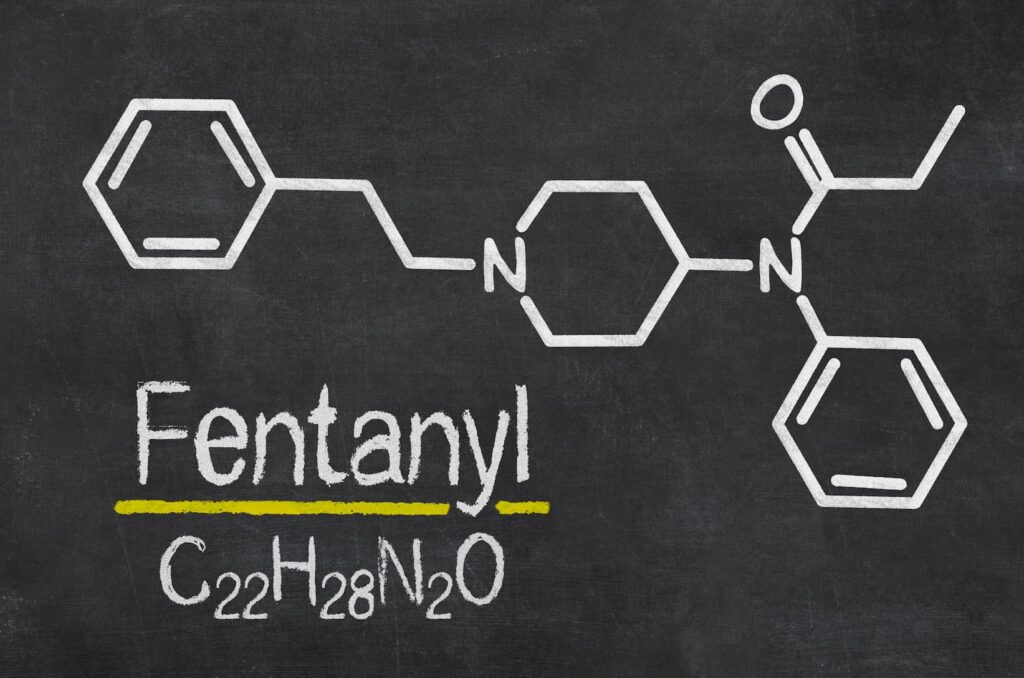
Fentanyl is one of the most powerful opioids in circulation today — and one of the most dangerous when misused. It works fast, hits hard, and stays in the body longer than many people expect. If you’re looking up how long fentanyl stays in your system, you might be worried about your health, a loved one’s safety, or the possibility of withdrawal or drug testing. Whatever brought you here, you deserve clear, straightforward information.
At Serenity Grove, we provide comprehensive treatment programs tailored to address the unique needs of those struggling with fentanyl addiction. Our Fentanyl rehab in Georgia can help you create the best outcomes for success. Call us now at 844-904-3485 or verify your insurance now.
How Fentanyl Works in the Body
Fentanyl is a synthetic opioid that’s 50–100 times stronger than morphine. Because it’s so potent, even small amounts can overwhelm the body’s opioid receptors. This creates intense pain relief and euphoria — but it also leads to rapid tolerance, dependence, and a high risk of overdose.
Once fentanyl enters the bloodstream, the body starts breaking it down through the liver and eliminating it through the kidneys. But the speed of that process varies widely from person to person.
How Long Does Fentanyl Stay in Your System?
Different drug tests detect fentanyl for different lengths of time. Here’s the general breakdown:
Urine Test
- Detectable for 1–4 days
- Most common testing method
- Hydration, metabolism, and frequency of use can shift this window
Blood Test
- Detectable for up to 12 hours
- Useful for identifying very recent use
- Not ideal for long‑term detection
Saliva Test
- Detectable for 1–4 days
- Non‑invasive and often used in workplace or roadside testing
Hair Follicle Test
- Detectable for up to 90 days
- Shows long‑term patterns of use
- Not helpful for identifying very recent use
These ranges are averages. Heavy or long‑term fentanyl use can extend detection times because the drug builds up in fatty tissues and releases slowly over time.
What Affects How Long Fentanyl Stays in Your System?
Everyone processes fentanyl differently. A few key factors can change how long it remains detectable:
1. Metabolism
Your age, genetics, and overall health influence how quickly your body breaks down fentanyl.
2. Frequency of Use
Regular or heavy use causes fentanyl to accumulate in the body, which lengthens detection windows.
3. Dose and Method of Use
Higher doses — or faster‑acting routes like injection or smoking — can stay in the system longer.
4. Liver and Kidney Function
These organs handle most of the drug‑processing work. If they’re not functioning well, fentanyl may linger longer.
5. Body Composition
Because fentanyl is fat‑soluble, people with higher body fat percentages may retain it longer.
Signs You May Be Addicted to Fentanyl
If you’re researching detection times, you might also be wondering whether fentanyl has started to take over your life.
Addiction can creep in quietly, and it’s not a sign of weakness, it’s a medical condition that needs support. Fentanyl addiction has reached epidemic proportions in the U.S.
Common signs of fentanyl addiction or dependence include:
- Needing more fentanyl to feel the same effects
- Feeling sick or anxious when you try to stop
- Craving fentanyl or thinking about it often
- Struggling to keep up with work, school, or responsibilities
- Pulling away from friends or family
- Spending more money than you can afford on fentanyl
- Noticing changes in your physical health, like breathing issues or constant fatigue
- Feeling depressed, paranoid, or emotionally unstable
If any of this sounds familiar, you’re not alone, and you’re not stuck.
You just need to recognize that you cannot do it alone and become willing ask for and accept help.
We’re not saying recovery is easy. It isn’t. But, it is within reach, even when you can’t see it. Just reach out.
Can You Flush Fentanyl Out Faster?
A lot of people hope there’s a shortcut — a drink, a cleanse, a trick — that can push fentanyl out of the body faster. The truth is far less exciting: your body needs time. Ideally, fentanyl detox at an inpatient rehab, hydration, healthy food, and gentle movement can support your system, but they won’t meaningfully speed up how quickly fentanyl leaves your bloodstream.
The most important thing when detoxing from fentanyl is getting the medical support you need and never underestimating how harrowing opioid withdrawal can be without comfort meds and clinical support.
And here’s the part many people don’t realize until they’re in the middle of it:
Trying to detox from fentanyl on your own can be dangerous and extremely uncomfortable.
Fentanyl withdrawal hits fast and hard. People often describe it as the worst flu of their life combined with crushing anxiety, insomnia, and overwhelming cravings. That combination is exactly why so many people relapse during at‑home detox — not because they’re weak, but because fentanyl withdrawal is simply too intense to manage alone.
Why You Shouldn’t Try to Quit Fentanyl Alone
Quitting fentanyl without medical support can lead to:
- Severe dehydration
- Dangerous spikes in blood pressure or heart rate
- Uncontrollable vomiting or diarrhea
- Panic attacks or extreme anxiety
- High relapse risk due to unbearable symptoms
- Accidental overdose if you return to use with lowered tolerance
None of this is necessary. A medical detox can dramatically reduce suffering and keep you safe while your body clears fentanyl at its own pace.
What Medical Detox and MAT Can Do for You
In a licensed detox or treatment center, you get:
- 24/7 medical monitoring to keep you safe
- Medication Assisted Treatment (MAT) that ease withdrawal and cravings
- Comfort measures like hydration, nutrition, and symptom‑specific relief
- Emotional support from staff who understand what you’re going through
- A smoother transition into residential, PHP, or IOP treatment
Instead of white‑knuckling through days of misery, you move through withdrawal in a controlled, supported environment — and you start recovery with a clear head instead of exhaustion and fear.
Fentanyl Detox: The Safest Path Forward
The most effective way to quit fentanyl isn’t a DIY detox. It’s a step‑down approach that supports you at every stage:
- Medical Detox – stabilize your body and manage withdrawal safely
- Residential Treatment – build structure, learn coping skills, and heal
- PHP (Partial Hospitalization Program) – daily clinical support without overnight stay
- IOP (Intensive Outpatient Program) – flexible treatment while rebuilding your life
This path reduces relapse risk, protects your health, and gives you the best chance at long‑term recovery.
Find Freedom from Fentanyl Addiction in Georgia Today
Fentanyl addiction is overwhelming, but recovery is absolutely possible with the right support. Serenity Grove offers:
- Medical detox
- Inpatient rehab
- Outpatient programs
- Medication‑assisted treatment (MAT)
- Mental health support
- Family involvement
- Long‑term relapse prevention
You don’t have to face this alone. Reach out today to start your path toward healing.
Call 844‑904‑3485 or visit our website to learn more.