If you or a loved one struggles with intense emotions, unstable relationships, and substance use, you may be dealing with more than one condition.
Personality disorders often appear alongside substance use disorders, creating what is known as dual diagnosis. This combination can make daily life harder and increase the risk of relapse without the right care.
At Serenity Grove, a treatment center for people with co-occurring mental health and substance use conditions, care is designed to help people understand their patterns, heal emotionally, and build long-term recovery.
To learn more call us at 844.904.3485.
What Are Personality Disorders?
Personality disorders are mental health disorders that affect how a person thinks, feels, and relates to others. These patterns usually start in early adulthood and continue over time.
People with personality disorders may struggle with:
- Emotional control
- Impulsivity
- Trust
- Self-image
- Interpersonal relationships
These challenges often lead people to self-medicate with drugs or alcohol, which increases comorbidity and substance abuse risk.
Types of Personality Disorders
Personality disorders are grouped into three main clusters based on shared traits. In people with dual diagnosis, each cluster tends to interact with substance use in different ways.
Cluster A: Withdrawn and Distrustful Patterns
This group includes paranoid personality disorder, schizoid personality disorder, and schizotypal personality disorder.
People in this cluster often feel disconnected from others or suspicious of their surroundings. They may use substances to reduce anxiety, ease social discomfort, or escape isolation, which increases the risk of substance abuse over time.
Cluster B: Intense Emotions and Impulsivity
Cluster B includes borderline personality disorder (BPD), antisocial personality disorder (ASPD), narcissistic personality disorder, and histrionic personality disorder.
This group is strongly linked to addiction. Impulsivity, emotional pain, and unstable relationships often lead people to self-medicate with drugs or alcohol, raising the risk of relapse and overdose.
Cluster C: Fear, Control, and Avoidance
Cluster C includes avoidant personality disorder, dependent personality disorder, and obsessive-compulsive personality disorder (OCPD).
People in this cluster may use substances to cope with anxiety, fear of rejection, or perfectionism, which can quietly grow into substance use disorders.
Why Personality Disorders and Addiction Often Occur Together
Personality disorders and substance use disorders have a high co-occurrence. Many people use alcohol or drugs as a coping mechanism to manage painful emotions or stress.
Risk factors include:
- Family history
- Trauma
- Unstable relationships
- Anxiety disorders or bipolar disorder
- Early substance use
Over time, substance abuse makes personality symptoms worse, increasing impulsive behavior and emotional pain.
Common Symptoms in Both Addiction and Personality Disorders
People with a dual diagnosis of a personality disorder and alcohol or drug addiction may experience:
- Mood swings
- Impulsive behavior
- Lack of empathy
- Strong cravings
- Unstable relationships
- Alcohol abuse or drug use
These symptoms make recovery more complex without integrated care.
Serenity Grove offers a full-range of dual diagnosis treatment at these levels of care:
- Medical Detox
- Residential/Inpatient
- Partial Hospitalization Program (PHP)
- Intensive Outpatient Program (IOP)
- Outpatient Program
Because many people with a mental health disorder also struggle with an addiction to drugs or alcohol, dual diagnosis offers the answer to this combination of disorders. Treatment addresses both the mental illness and the substance use disorder simultaneously.
What Causes Personality Disorders and Addiction?
There is no single cause of personality disorders or substance use disorders. Most people develop them because of a mix of biological, emotional, and environmental influences that shape how they cope with stress, relationships, and emotions.
Common causes and risk factors include:
- Family history of mental illness or addiction
- Childhood trauma or neglect
- Unstable or unsafe home environments
- Early exposure to drugs or alcohol
- Difficulty regulating emotions
- Impulsivity and risk-taking behavior
Personality traits such as fear of rejection, intense emotions, or lack of trust can make drugs or alcohol feel like a way to cope.
Over time, substance use changes the brain and makes emotional patterns more severe, increasing the risk of dual diagnosis and long-term substance abuse.
How Dual Diagnosis Treatment Helps
Effective dual diagnosis treatment addresses both the personality disorder and addiction together.
Care may include:
- Detox to stabilize physical health
- Psychotherapy to improve thinking patterns
- Dialectical behavior therapy (DBT) for emotional control
- Group therapy for connection
- Medication management when needed
- Inpatient or outpatient programs for ongoing support
This approach improves emotional stability and supports long-term recovery.
FAQs About Personality Disorders and Dual Diagnosis
Q1: Can personality disorders be treated if someone also has an addiction?
Yes. When personality disorders and substance use disorders are treated together through dual diagnosis care, people can make real progress in emotional stability, relationships, and long-term recovery.
Q2: Is borderline personality disorder more common in people with addiction?
Borderline personality disorder (BPD) is strongly linked to substance abuse. This is because emotional pain, impulsivity, and fear of abandonment can drive people to self-medicate with drugs or alcohol.
Q3: Why do people with personality disorders turn to substances?
Many people use substances as a coping mechanism to manage intense emotions, anxiety, or unstable relationships. Over time, this can grow into a substance use disorder.
Q4: How long does treatment take for dual diagnosis?
There is no set timeline. Treatment length depends on the type of personality disorder, the severity of substance use, and how a person responds to therapy and support.
Q6: Can someone recover without treating both conditions?
Treating only addiction or only a personality disorder often leads to relapse. Dual diagnosis treatment gives people the best chance for long-term recovery and emotional stability.
Meet Our Experts

Star Bridges,
MS, LPC, CMAC, CCS
Clinical Director
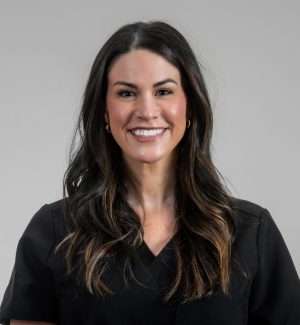
Katie Sklivagkos,
RN, MSN, FNP-C
MS, LPC, CMAC, CCS
Nurse Practitioner

Tommie L. Walton, III,
LCSW, MAC
Training Consultant
A Path Toward Stability and Long-Term Recovery
Living with a personality disorder and a substance use disorder at the same time can feel overwhelming, but recovery is possible with the right support.
When emotional patterns, impulsivity, and substance use are treated together, people can begin to build healthier coping skills, stronger relationships, and a more stable sense of self.
At Serenity Grove, care is designed for people with dual diagnosis, offering integrated mental health and addiction treatment in a supportive, structured environment.
Reach out today to learn how our treatment programs can help you or your loved one move toward lasting stability, healing, and long-term recovery.