
How Long Does Alcohol Stay in Your System?
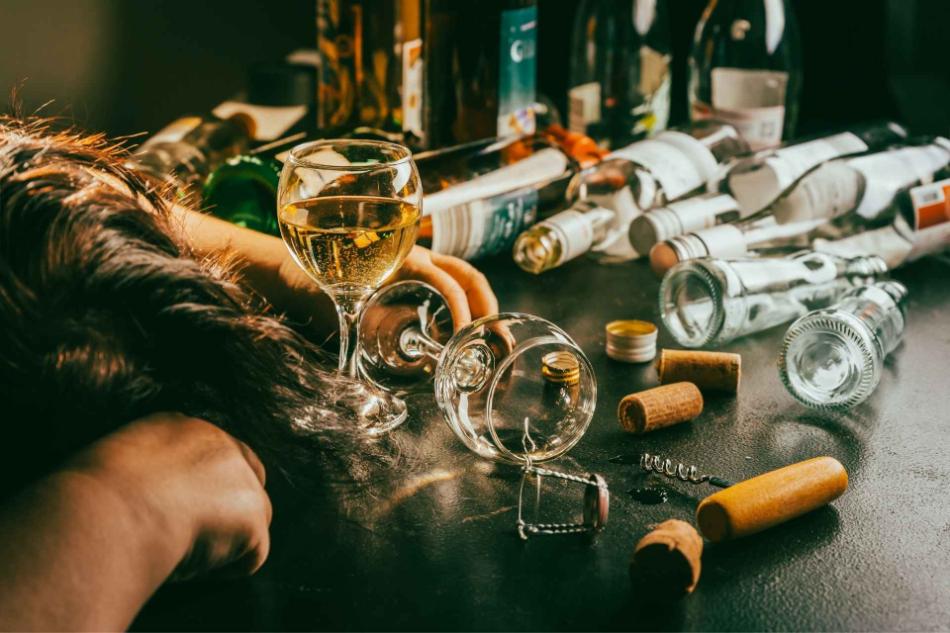
Alcohol can stay in your system for several hours, but some tests can detect signs of drinking for days or even months. Blood and breath tests usually detect alcohol for several hours, while certain urine tests can detect it for several days. Hair tests may show alcohol use over the past 90 days.
How long alcohol stays in your body depends on how much you drink, your health, and the type of test used. If you drink heavily or regularly, stopping suddenly can also cause dangerous withdrawal symptoms, including seizures. An addiction treatment center can help you understand your options for quitting safely.
How the Body Metabolizes Alcohol
Your liver breaks down most of the alcohol you drink. It uses special proteins called enzymes to turn alcohol into substances your body can process and remove. Drinking heavily over time can overload the liver and lead to conditions such as alcoholic hepatitis.
Your liver can only process so much at once, usually about one standard drink per hour. In the United States, a standard drink contains 14 grams of pure alcohol. That equals a 12-ounce regular beer, a 5-ounce glass of wine, or 1.5 ounces of liquor like vodka or whiskey.
Blood alcohol concentration (BAC) measures the amount of alcohol in your blood. Your BAC rises as your body absorbs alcohol and falls as your liver breaks it down. The more you drink, the longer it may take for your BAC to return to zero. A fast-rising BAC is also one reason some people black out. Coffee, cold showers, and exercise won’t make alcohol leave your body faster.
If you’re concerned about your own drinking, learn the symptoms of alcohol addiction.
Alcohol Detection Windows by Test Type
Different tests can detect alcohol or signs of drinking for different amounts of time. The timelines below are estimates. Results can vary based on how much you drank, the test used, and other factors.
Blood Tests
Blood tests measure the amount of alcohol in your blood. They can often detect alcohol for several hours after drinking, although the exact time depends on how much you drank and how quickly your body processes it.
Urine Tests
Standard urine tests may detect alcohol for several hours after drinking. Other tests look for substances your body makes as it breaks down alcohol. These tests, often called EtG or EtS tests, may detect recent drinking for several days.
Breath Tests
Breathalyzers measure alcohol in your breath to estimate your blood alcohol level. They can detect alcohol for several hours after drinking, and sometimes longer after heavy drinking.
Hair Follicle Tests
Hair tests can look for signs of alcohol use over several months, often up to 90 days. They measure certain substances linked to alcohol use that become part of the hair as it grows. These tests are generally used to look at drinking patterns rather than determine whether someone had a single drink recently.
Factors That Affect How Long Alcohol Stays in Your System
Several factors affect how your body absorbs and processes alcohol, including:
- Body weight: People with smaller bodies often reach a higher BAC after drinking the same amount of alcohol.
- Age and medications: Age-related changes in the body and certain medications can affect how alcohol affects you.
- Food: Eating before or while drinking slows alcohol absorption, but it doesn’t help your liver break alcohol down faster.
- Amount consumed: The more alcohol you drink, the longer it generally takes your body to clear it.
- Liver health: Liver disease can affect how well your body processes alcohol.
- Sex differences: Women often reach a higher BAC than men after drinking the same amount, even when they weigh the same.
When Frequent Alcohol Use Becomes a Concern
If you’re concerned about how often you drink or how much alcohol you consume, watch for these signs of alcohol use disorder:
- You drink more, or for longer, than you planned.
- You’ve tried to cut back and couldn’t.
- You need more alcohol to feel the same effects.
- You feel shaky, sweaty, anxious, or sick when you go without a drink.
- Drinking is causing problems at work, at home, or with your health.
These warning signs may mean it’s time to talk with a healthcare provider about your drinking. If you drink heavily, don’t stop suddenly on your own.
Alcohol withdrawal can be life-threatening. Talk to a healthcare provider before quitting.
Alcohol withdrawal can cause seizures, sometimes within the first 48 hours after your last drink. Severe withdrawal can also lead to delirium tremens (DTs), which may cause confusion, hallucinations, fever, and a dangerously fast heartbeat. These symptoms can be life-threatening and require emergency medical care.
That’s why medical detox matters for people stopping alcohol use. A team monitors your vitals, fluids, and electrolytes around the clock and treats complications early. Medical alcohol detox is the safest first step, and many people then move into residential treatment for ongoing care.
Taking the Next Step Toward Recovery with Serenity Grove
If you’re concerned about your drinking or someone else’s, speaking with a treatment provider can help you understand when it’s time to seek help.
Serenity Grove in Athens, Georgia, offers medical detox, residential treatment, and outpatient programs to support people at different stages of recovery. Contact us today to discuss your needs and learn more about treatment options.
Frequently Asked Questions about Quality Addiction Treatment
Can one drink show up on a breathalyzer the next morning?
A single standard drink is less likely to show up on a breathalyzer the next morning, but there’s no guaranteed timeline. How long alcohol stays in your breath depends on how much you drank and how your body processes it. Heavy drinking late at night can still affect your BAC the following morning.
Does drinking water speed up alcohol elimination?
No. Drinking water can help with dehydration, but it won’t make your body process alcohol faster. Your liver needs time to break down alcohol, and drinking water won’t lower your BAC.
Is it safe to detox from alcohol at home?
Alcohol withdrawal can be dangerous, especially for people who drink heavily or have had withdrawal symptoms before. Talk to a healthcare provider before trying to quit at home. Some people can manage mild withdrawal with medical guidance, while others need supervised detox. If someone has a seizure, severe confusion, or hallucinations during withdrawal, call 911.
Sources:
- How Long Does Alcohol Stay in Your System? — Cleveland Clinic
- What Is a Standard Drink? — NIAAA
- Delirium Tremens — MedlinePlus