Are Muscle Relaxers Addictive? Learn the Truth
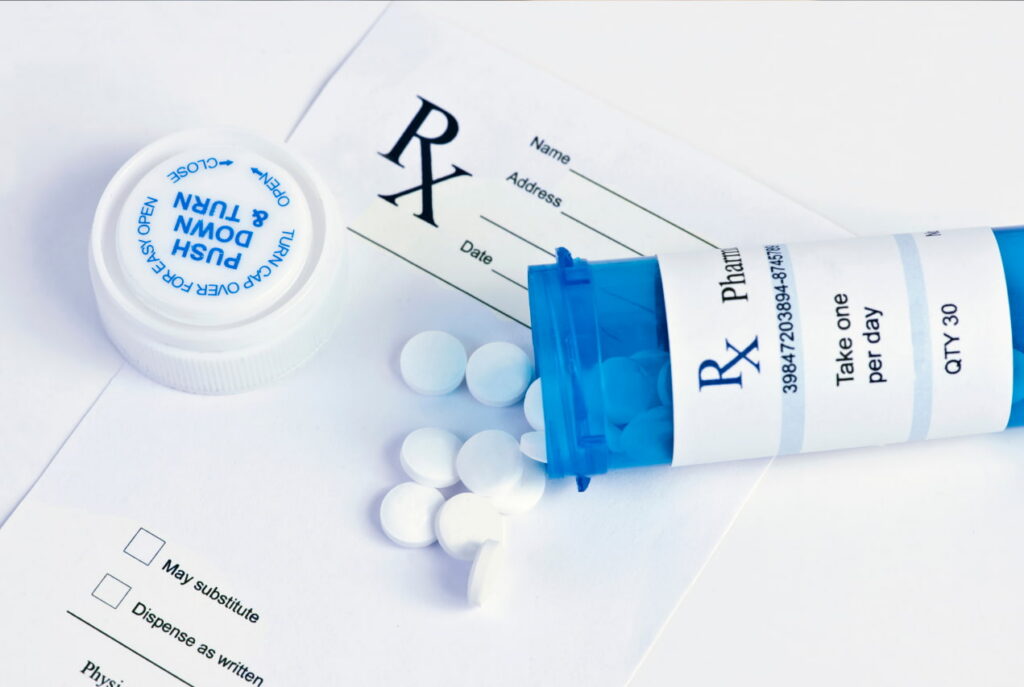
Before you take a muscle relaxer or any other prescription medication, it is important to discuss the drug’s benefits and potential dangers with your doctor. Important questions to ask include how do the drugs work, what side effects should you be aware of, and are muscle relaxers addictive?
What Are Muscle Relaxers?
Muscle relaxers are medications that can be used to treat spasms, spasticity, or pain:
- Spasms are sudden, involuntary muscle contractions. They most commonly occur in the arms, legs, and back. Depending on which muscle is affected, spasms may make it difficult to either bend or extend various body parts. The many potential causes of muscle spasms include dehydration, electrolyte imbalances, overuse, and stress.
- Spasticity refers to stiffness or rigidity that makes it difficult or impossible to move certain body parts. Unlike spasms, which are typically brief, spasticity is often a chronic condition that results from damage to the brain or spinal cord. Common causes of spasticity include multiple sclerosis and cerebral palsy.
- Musculoskeletal pain can result from a variety of causes and may be either acute or chronic. Acute pain often results from slips, falls, and other accidents, while chronic pain may be due to conditions such as rheumatoid arthritis and fibromyalgia.
The category of muscle relaxers includes several distinct medications. These meds are frequently divided into two sub-categories:
- Antispasmodics, which treat muscle spasms and pain
- Antispastics, which treat muscle spasticity
But are muscle relaxers addictive? It’s important to be aware that while these medications are helpful in treating certain conditions, they can be misused or lead to dependency, especially if taken beyond the prescribed dosage or duration. Understanding the potential for addiction can help guide proper use and ensure safer treatment.
Prescription drugs that have earned FDA approval to treat muscle spasms and musculoskeletal pain include:
- Carisoprodol (Soma)
- Chlorzoxazone (Parafon Forte, Lorzone)
- Cyclobenzaprine (Flexeril, Amrix)
- Metaxalone (Skelaxin)
- Methocarbamol (Robaxin)
- Orphenadrine
Someone who has been experiencing muscle spasticity may receive a prescription drugs such as
- Baclofen (Lioresal)
- Tizanidine (Zanaflex)
- Dantrolene (Dantrium)
- Diazepam (Valium)
Are Muscle Relaxers Addictive?
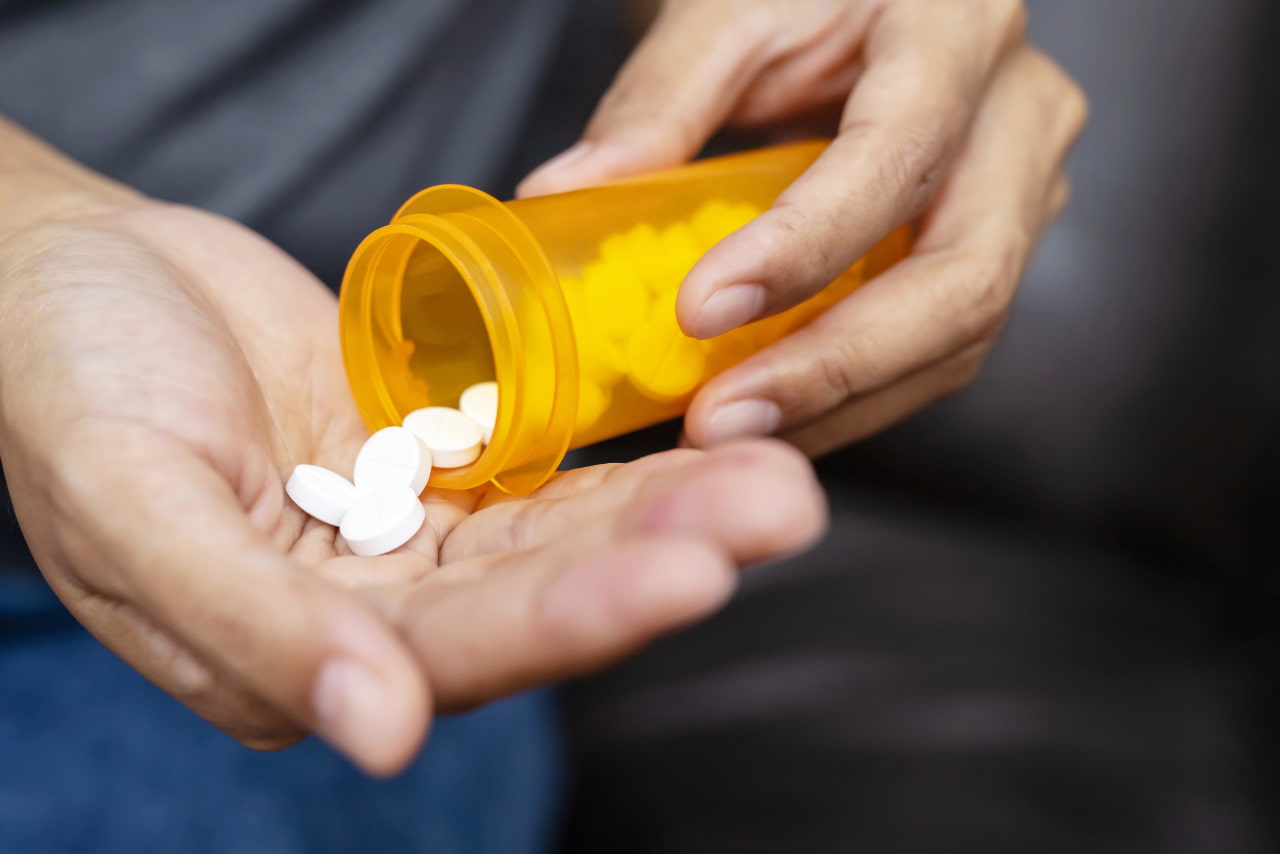
The question, are muscle relaxers addictive?, doesn’t have a simple yes/no answer.
The many prescription meds that belong to the category of muscle relaxers can pose a risk of both abuse and addiction – but the risk isn’t the same for every drug.
Two of the most addictive muscle relaxers are diazepam (Valium) and carisoprodol (Soma). In the United States, both of these drugs are classified as Schedule IV controlled substances.
Diazepam is a benzodiazepine, a category that also includes lorazepam (Ativan), alprazolam (Xanax), and clonazepam (Klonopin). Diazepam and other benzos can be quite dangerous when misused, especially if they are combined with alcohol or other drugs.
In 2022, benzos were involved in 10,964 overdose deaths in the U.S. This represented a decline from the prior year, when the National Institute on Drug Abuse (NIDA) reported 12,499 overdose deaths involving benzos. In both years, the vast majority of these cases involved people who also had opioids in their system.
Though carisoprodol is not a benzo, it is similar to the drugs in that category and poses similar risks.
The danger of becoming addicted to diazepam, carisoprodol, or other muscle relaxers is greatest among people who abuse the drugs. Some people who begin to take muscle relaxers for legitimate medical purposes begin to misuse them in an attempt to experience greater relief. Others abuse them for recreational purposes due to their sedative properties.
No matter why a person misuses a muscle relaxant, this behavior can lead to myriad negative outcomes, including addiction.
Warning Signs of Muscle Relaxer Addiction
If you’re concerned that someone in your life has become addicted to muscle relaxers, keep an eye out for the following signs:
- They have attempted to buy, borrow, or steal muscle relaxers that were prescribed to someone else.
- They have a prescription for muscle relaxers, but they use the drugs more frequently, in greater amounts, or for a longer period of time than directed.
- They have lied about their symptoms and/or visited different doctors to acquire prescriptions for more muscle relaxers.
- They frequently purchase muscle relaxers from sketchy websites or other illicit sources.
- They become agitated or irritated when they can’t use muscle relaxers.
- They experience significant swings in energy, mood, and attitude.
- Their performance in school or at work has declined significantly, to the point that they may be at risk of being expelled or fired.
- They have begun to neglect responsibilities such as paying bills or showing up for appointments.
- They no longer participate in hobbies, sports, or other activities that used to be important to them.
- They seem to be neglecting their appearance.
- They’ve had unexplained financial difficulties.
- They don’t associate with family and friends as much as they used to.
If your loved one has been exhibiting signs such as these, they may be in crisis. They should be assessed by their primary physician or another qualified professional.
Additionally, if they’re not addicted to muscle relaxers, these symptoms could indicate another type of addiction or a mental health concern.
Whatever has been causing these symptoms, identifying the root of the problem is essential for determining which type of treatment will be most beneficial. Understanding whether muscle relaxers are addictive can help guide you toward the right support options for your loved one.

Find Treatment for Prescription Drug Addiction in the Atlanta Area
If you have become addicted to a muscle relaxer or another prescription medication, please know that help is available and treatment works. When you’re in the midst of active addiction it can be difficult to see your path to recovery. But when you get the right type and level of care, you can end your substance use and start building a foundation for a much healthier future.
Serenity Grove offers a full continuum of personalized care for adults whose lives have become disrupted by prescription drug addiction. At our rehab center near Atlanta, Georgia, your care may include detox, residential treatment, a partial hospitalization program, an intensive outpatient program, and outpatient services.
In each of these programs, you will be cared for by a team of dedicated and experienced professionals. With their help and a concerted effort on your part, you can learn to manage your symptoms and make the changes that will support successful, long-term recovery.
To learn more about how we can help you or a loved one, or to schedule a free assessment, please visit our Admissions page or call us today.