
7-OH, short for 7-hydroxymitragynine, is a substance found naturally in very small amounts in kratom leaves. It affects the same brain receptors as opioids and can produce similar effects. However, concentrated 7-OH products contain much higher amounts than those found in the plant.
These stronger products may increase the risk of dependence, overdose, and withdrawal. If you’re concerned about your own use or someone you love, addiction treatment in Athens, Georgia, including kratom detox, may help.
What Products Contain 7-OH?
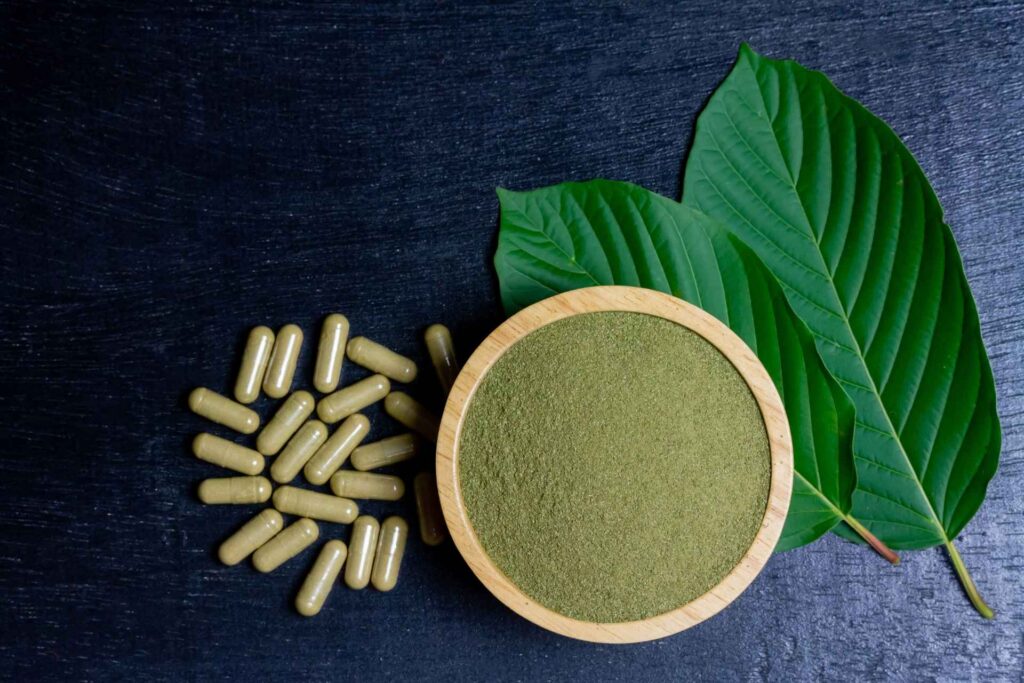
Concentrated 7-OH products come in several forms, including:
- Tablets and capsules: Pills containing concentrated 7-OH.
- Gummies: Edible products that may be marketed as kratom supplements.
- Liquid shots: Small bottles containing concentrated 7-OH.
- Powders and extracts: Concentrated products that may contain high levels of 7-OH.
Packaging may use terms such as “kratom-derived,” “plant-based,” or “7-OH.” These labels don’t confirm a product’s safety or strength.
What Are the Risks of 7-OH?
The main concerns include physical dependence, overdose, and dangerous interactions with other substances.
Can 7-OH Cause Dependence?
Yes. Regular 7-OH use can lead to tolerance, meaning you may need more of the substance to feel the same effects. Over time, your body may also become dependent on it, leading to withdrawal symptoms when you reduce or stop using it.
Can 7-OH Cause Overdose?
Yes. Because 7-OH affects opioid receptors, high doses may cause dangerously slow or shallow breathing, especially when combined with other substances.
Signs of a possible overdose include extreme drowsiness, difficulty breathing, or an inability to wake the person.
If you suspect an overdose, call 911 immediately and give naloxone if available. Naloxone may help reverse opioid-related effects, but emergency medical care is still necessary.
What Happens When You Mix 7-OH with Other Substances?
Combining 7-OH with alcohol, benzodiazepines such as Xanax, or other opioids can increase drowsiness and the risk of dangerously slow or shallow breathing. Using these substances together may increase the risk of overdose.
What Are the Symptoms of 7-OH Withdrawal?
Stopping regular use can cause physical and psychological symptoms, including:
- Strong cravings
- Restlessness and irritability
- Muscle aches and body pain
- Nausea and diarrhea
- Anxiety or depressed mood
- Difficulty sleeping
Withdrawal from 7-OH may share some features with traditional kratom withdrawal, although concentrated products may affect people differently.
Researchers are still learning how withdrawal from concentrated 7-OH differs from withdrawal associated with traditional kratom products. The timing and severity may depend on how much someone uses, how often they use it, and their overall health.
How Is 7-OH Addiction Treated?
Treatment for 7-OH dependence begins with an assessment of your symptoms, substance use history, and withdrawal risks. Your care team can then recommend services based on your needs, which may include:
- Medical detox: Monitoring and medical support to help manage withdrawal symptoms.
- Therapy: Individual and group sessions can help you understand your substance use and develop healthier ways to manage stress and cravings.
- Dual diagnosis care: Integrated treatment can address substance use alongside conditions such as anxiety or depression.
- Continuing care: Follow-up treatment and support can help you work toward long-term recovery.
In some cases, clinicians may consider medications used to treat opioid use disorder to help manage dependence or withdrawal. However, there are no FDA-approved medications specifically for 7-OH addiction, so treatment decisions depend on each person’s needs.
Is 7-OH Legal in the United States?
As of November 9, 2026, the DEA has proposed placing concentrated 7-OH and a related substance, mitragynine pseudoindoxyl, in Schedule I under federal law.
The proposal would apply to products that exceed certain concentration limits or meet other chemical criteria. These rules are intended to distinguish concentrated products from the small amounts of 7-OH found naturally in kratom.
The proposed restrictions are not yet in effect, although some related substances are already federally controlled. The DEA indicated that a new temporary scheduling order would not be published before November 13, 2026.
Regardless of their legal status, concentrated 7-OH products carry serious health risks.
Where Can You Get Help for 7-OH or Kratom Dependence in Athens, GA?
If you’re having trouble cutting back on 7-OH or are worried about a loved one’s withdrawal symptoms, you don’t have to manage those concerns without support.
At Serenity Grove in Athens, Georgia, our team can discuss your substance use, assess your treatment needs, and help you explore available services. Depending on your situation, treatment may include medical detox, therapy, and ongoing recovery support.
Contact Serenity Grove to speak with our admissions team about treatment options and insurance verification.
Frequently Asked Questions
Is 7-OH an opioid?
7-OH is a naturally occurring kratom compound with strong opioid-like effects. It acts on opioid receptors in the brain, and concentrated products can carry risks similar to those associated with other opioids.
How long does 7-OH withdrawal last?
There’s no established timeline for concentrated 7-OH withdrawal. Traditional kratom withdrawal often improves within about a week, but some symptoms may last longer.
Is it safe to stop 7-OH on my own?
Stopping 7-OH after regular or heavy use may cause uncomfortable withdrawal symptoms. A healthcare professional can assess your symptoms and help you decide whether medical support is appropriate.
Sources:
- Kratom — National Institute on Drug Abuse (NIDA)
- Kratom for Opioid Withdrawal: Does It Work? — The Mayo Clinic
- Kratom Dependence and Treatment Options: A Comprehensive Review of the Literature — PubMed: National Library of Medicine
- Schedules of Controlled Substances: Temporary Placement of 7-Hydroxymitragynine and Mitragynine Pseudoindoxyl Above a Specified Threshold in Schedule I — Federal Register
- Kratom — U.S. Drug Enforcement Administration (DEA)